
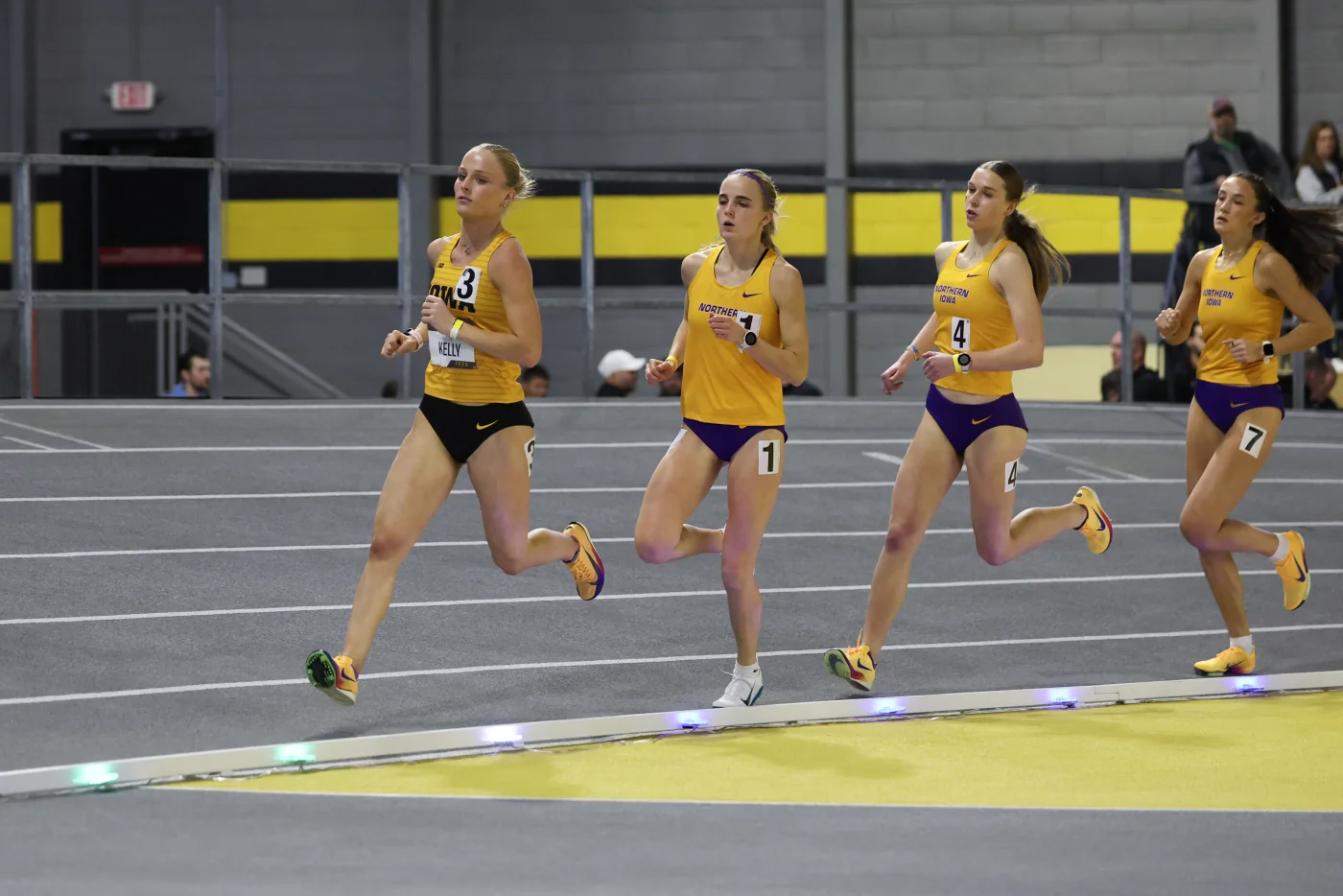
Are pacing lights legal in track races?
Sometimes. World Athletics, NCAA, and NFHS rules currently treat electronic pace lights differently.
The short answer
World Athletics permits them. NCAA permits them at nonchampionship competitions. The 2026 NFHS interpretation says they are not permissible in high-school races under NFHS rules.
Quick answer
Start with the meet's rule set.
There is no universal yes-or-no answer for every track meet. Competition level and governing rules determine whether pacing lights can be used.
World Athletics
Technical Rule 6.4.8 permits electronic lights or a similar appliance that indicates progressive times during a race, including the pace of a relevant record.
NCAA
NCAA pacing-light technology is allowed at nonchampionship competitions. That wording does not make it a blanket authorization for NCAA championship competition.
NFHS
The March 18, 2026 NFHS interpretation says pace lights are a type of aid and are not permissible in high-school races conducted under NFHS Rules 4-6-5 and 4-6-6.
World Athletics
Progressive-time lights are permitted.
World Athletics Technical Rule 6.4.8 identifies electronic lights or a similar appliance indicating progressive times during a race as permitted assistance.
The rule specifically includes the pace of a relevant record. That creates the rules basis commonly used for pacing-light displays at World Athletics competitions and record attempts.
Permission in the technical rules does not remove normal meet-management responsibilities. The technical delegate, referee, organizers, starter, and timing team still need an agreed operating plan.
- Primary sourceWorld Athletics Technical Information, including the 2026 Competition and Technical Rules and published amendments.
- Rule referenceTechnical Rule 6.4.8, electronic lights or similar appliances indicating progressive times.
NCAA
Allowed at nonchampionship competitions.
The NCAA Playing Rules Oversight Panel approved pacing-light technology for nonchampionship competitions as part of the 2025 and 2026 track and field rules changes.
For a regular-season collegiate meet, the host should still confirm the current rulebook, competition designation, conference requirements, facility approval, and meet-referee decision.
The NCAA's wording is specific: nonchampionship competitions. Do not extend that authorization to championship competition without a current written rule or event-specific approval.
- Primary sourceNCAA rules announcement, August 8, 2024.
- Current rules hubNCAA Cross Country and Track and Field Playing Rules.
NFHS
Not permissible in high-school races.
The NFHS Track and Field Weekly Rule Interpretations published March 18, 2026 address pace lights directly.
In the published situation, a coach asks meet management to use electronic pacing lights for a 3200-meter race. The meet referee says they are not permissible. The interpretation calls that the correct procedure because NFHS rules treat the technology as an aid.
The interpretation cites NFHS Rules 4-6-5 and 4-6-6. Meet directors using NFHS rules should not schedule pacing lights for competition unless a later official rule change or interpretation supersedes that guidance.
- Primary sourceNFHS Track and Field Weekly Rule Interpretations, March 18, 2026, hosted by the Michigan High School Athletic Association.
- InterpretationPace lights are considered an aid and are not permissible in races under the cited NFHS rules.
Training use
Practice is a separate decision.
Competition restrictions do not automatically prohibit a team from using pacing lights in ordinary training.
Training use is generally governed by the school, facility, coach, and any applicable association policies rather than the meet-race decision described above. Confirm access, placement, power, athlete safety, and facility-operation requirements.
If a session is also an official time trial, sanctioned competition, qualifying opportunity, or record attempt, determine which competition rules apply before operating the lights.
Meet approval
Confirm six things before race day.
Treat pacing-light approval as part of meet planning, not a last-minute technical question.
Identify the rule set
Confirm whether the meet follows World Athletics, NCAA, NFHS, a state association, a conference, or another competition framework.
Classify the competition
Determine whether it is training, a regular-season meet, a nonchampionship competition, a championship, a qualifier, or a record attempt.
Get the referee's decision
Provide the relevant rule and intended operation to the meet referee or technical delegate before publishing paced events.
Approve the facility plan
Confirm light placement, cable routing, power, curb access, field-event crossings, and emergency removal with the facility.
Coordinate race operations
Align the operator, starter, timer, announcer, clerk, and meet director on targets, colors, start synchronization, and fallback procedures.
Record the approval
Keep the governing rule, decision-maker, approved events, targets, and operating conditions in the meet's written planning notes.
- Report a changeEmail carsonlane@stride-lane.com with a newer official rule or interpretation.
Plan the right use
Bring the rule question to Stridelane early.
Share the competition level, governing body, venue, date, and intended races. Stridelane can prepare the operating details for the officials who control approval.